


Ceramides Explained: Why They Matter For Skin Barrier Health


Understanding one of the skin’s most important protective ingredients.
In professional skincare, one of the most common observations is that many skin concerns — sensitivity, dehydration, redness, and even breakouts — often share a common root: a compromised skin barrier. When the barrier becomes weakened, the skin loses its ability to protect and regulate itself.
One of the key components that help maintain this barrier is a group of lipids called ceramides.
Although ceramides are now widely discussed in skincare, their role in maintaining healthy skin is still often misunderstood. Understanding how they function can help explain why estheticians place so much emphasis on barrier support in professional skincare routines.

What Are Ceramides?
Ceramides are naturally occurring lipids (fats) found in the outermost layer of the skin, known as the stratum corneum.
They act as part of the skin’s protective matrix, often described using the classic “brick and mortar” analogy:
The skin cells are the bricks
The lipids — including ceramides — are the mortar
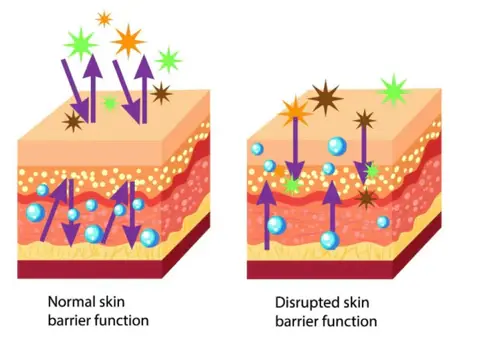
This lipid matrix helps hold skin cells together and forms the barrier that protects the skin from environmental stress while keeping essential moisture inside.
In fact, ceramides make up nearly half of the lipids in the skin barrier, making them one of its most important structural components.
Why Ceramides Are So Important
When ceramide levels are healthy, the skin barrier functions smoothly. The skin can retain hydration, remain resilient, and tolerate environmental exposure more easily.
• retain moisture and prevent dehydration
• protect against environmental irritants
• support overall barrier integrity
• maintain smooth, resilient texture
When ceramide levels become depleted, the barrier weakens and the skin becomes more vulnerable.

What Causes Ceramide Loss?
Over time, several factors can reduce the skin’s natural ceramide levels.
Common contributors include:
• natural aging, which gradually decreases lipid production
• over-exfoliation or aggressive skincare routines
• harsh cleansers that strip protective lipids
• environmental stressors, including cold weather and pollution
• certain skin conditions, such as eczema or chronic dryness
When ceramide levels drop, the skin may experience increased transepidermal water loss (TEWL), meaning moisture escapes more easily from the skin.
This often leads to symptoms such as dryness, tightness, irritation, or sensitivity.
Signs the Skin Barrier May Need Ceramide Support
Estheticians often recognize early signs that the barrier is becoming compromised.
These may include:
• persistent dryness despite moisturizing
• increased sensitivity to products
• redness or irritation
• rough or flaky texture
• skin that appears dull or fatigued
When these symptoms appear, barrier-supportive ingredients — including ceramides — can help restore balance.
Ceramides in Professional Skincare
Because of their importance in barrier health, ceramides have become a key ingredient in many modern skincare formulations.
Products designed to support barrier repair often combine ceramides with other supportive ingredients such as:
• fatty acids
• cholesterol
• humectants like glycerin or hyaluronic acid
Together, these ingredients help restore the lipid matrix that keeps the barrier strong and resilient.
Professional skincare treatments often focus on calming and rebuilding the barrier first, before introducing more active treatments such as exfoliation or corrective therapies.
Supporting the Skin’s Natural Balance
Healthy skin is not simply the result of strong active ingredients. It is the result of a balanced, resilient barrier that allows the skin to function normally.
When ceramides and other barrier lipids are supported, the skin becomes better able to:
• retain hydration
• tolerate treatments
• respond positively to skincare products
For this reason, many estheticians view barrier support as the foundation of effective skincare.
From the Treatment Room
One of the quiet lessons learned in professional skincare is that the skin often responds best when its natural defenses are respected. Supporting the barrier — rather than constantly challenging it — allows the skin to restore its own balance over time.
Ceramides may not be the most dramatic ingredient in skincare, but they are among the most important when it comes to maintaining healthy, resilient skin.
Still exploring esthetics as a career?
The best way to understand the experience is to see the training environment in person. Prospective students are always welcome to visit the Euro Institute, observe the clinic floor, and ask questions about the program and upcoming class start dates.


